Micromobility and Last-Mile Transit
Addressing the urban integration of light electric vehicles through geofencing algorithms, battery safety standards, and multimodal connectivity.
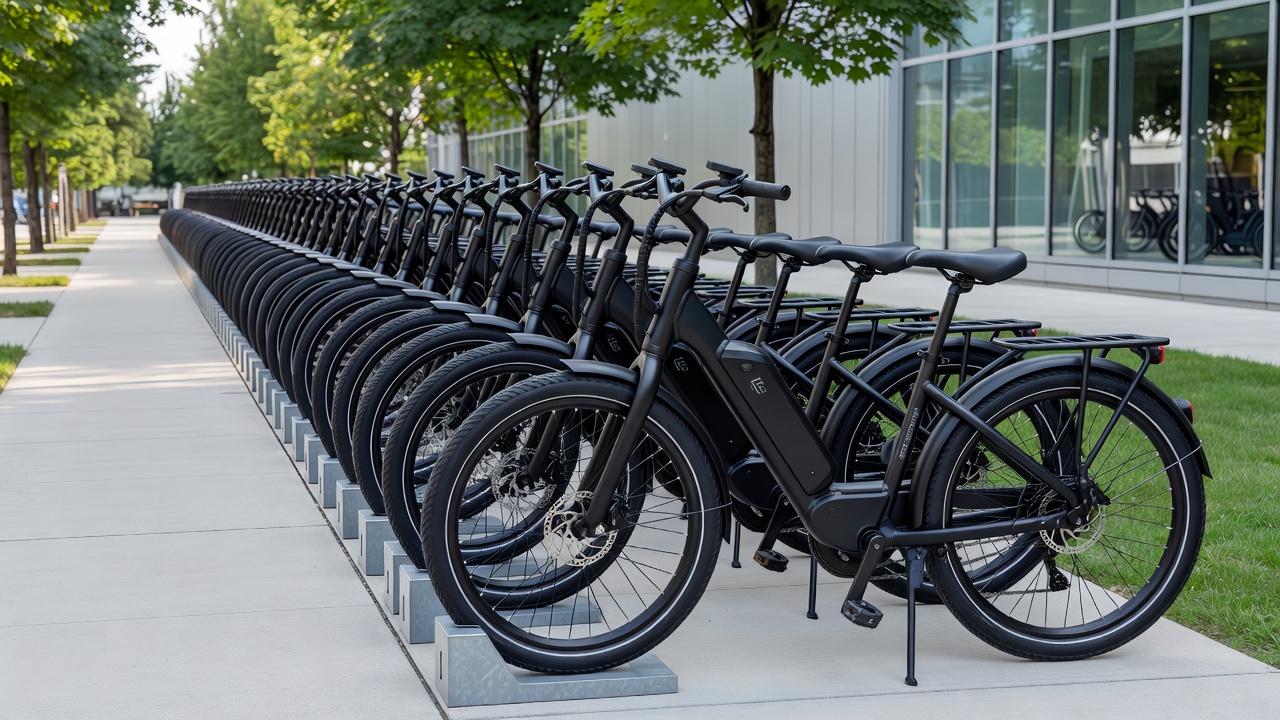
Micromobility encompasses lightweight, low-speed vehicles—primarily electric bikes (e-bikes) and electric scooters (e-scooters)—designed for short urban trips. Structurally, these vehicles bridge the critical "last-mile" gap between high-capacity public transit hubs and final destinations. Their proliferation represents a fundamental reallocation of urban transit space, moving dependency away from personal automobiles toward high-turnover, shared electrical assets.
System Architectures: Docked vs. Dockless
The operational framework of a shared micromobility network heavily influences urban integration and maintenance logistics. There are two primary system architectures in modern deployment:
- Docked Systems: Vehicles must be picked up and returned to permanent, hard-wired physical stations. These stations often provide direct charging, reducing the logistical overhead of battery swapping. While highly organized and resistant to public nuisance complaints, the infrastructure cost is high, and user convenience is limited by dock proximity.
- Dockless (Free-Floating) Systems: Vehicles are equipped with IoT communication modules and GPS, allowing them to be located via mobile apps and locked/unlocked anywhere within an operating zone. This offers maximum point-to-point convenience but introduces challenges in right-of-way clutter and requires intensive fleet management for redistribution and recharging.
Geofencing and Telemetry Technology
To mitigate the urban clutter and safety issues associated with dockless systems, operators rely on advanced geofencing technologies. An onboard IoT module communicates continuously with central servers over cellular networks (LTE/5G), transmitting telemetry data including GPS coordinates, battery state-of-charge, and accelerometer data to detect crashes or tipping.
Geofencing applies spatial rules to the vehicle's firmware in near real-time:
- No-Ride Zones: When crossing into restricted areas (such as pedestrian-only plazas or certain parklands), the motor firmware safely tapers power to zero.
- Slow Zones: In dense corridors with high pedestrian traffic, maximum speed is electronically capped.
- Mandatory Parking Hubs: To enforce order without physical docks, operators can geofence designated "corrals." The mobile app prevents users from ending their trip (and halting billing) unless the GPS confirms the vehicle is within the defined polygon.
Battery Chemistry and Thermal Safety
The energy source for modern micromobility is universally lithium-ion. Due to weight restrictions and cost targets, energy density is highly prioritized. However, the operational environment for shared e-scooters is extremely harsh, characterized by frequent impacts, temperature extremes, and water exposure. These conditions elevate the risk of battery enclosure damage, leading to internal short circuits and thermal runaway events.
In response, certification bodies are establishing rigorous mechanical and electrical safety standards (such as UL 2271 for light EV batteries). Advancements in fleet battery technology include:
- Potting and Encapsulation: Filling battery modules with thermal-conductive resins to isolate individual cells, preventing the propagation of thermal runaway.
- Advanced BMS (Battery Management Systems): Over-the-air (OTA) monitoring that detects micro-variations in cell voltage, preemptively flagging damaged packs for extraction before catastrophic failure occurs.
- Swappable Architecture: Instead of retrieving entire vehicles for charging, field technicians swap depleted packs with charged ones on the street, drastically lowering logistics emissions and operational downtime.
Multimodal Transit Integration
The ultimate efficacy of micromobility is measured by its integration into existing public transit networks. Standalone operations capture recreational riders, but replacing car commuting requires seamless data and payment sharing between micromobility operators and municipal transit authorities. Mobility-as-a-Service (MaaS) platforms aggregate APIs from multiple providers, allowing a user to book a train ticket and a waiting e-scooter for the final leg through a single digital interface.