Engineering the Future of Transit
From autonomous navigation systems and gigawatt-scale charging networks to the integration of airborne logistics. We analyze the hardware, software, and infrastructure driving the smart mobility revolution.
5
Core Transport Domains Analyzed
Explore Technologies
Technology Sectors



Data-Driven Insights on Mobility
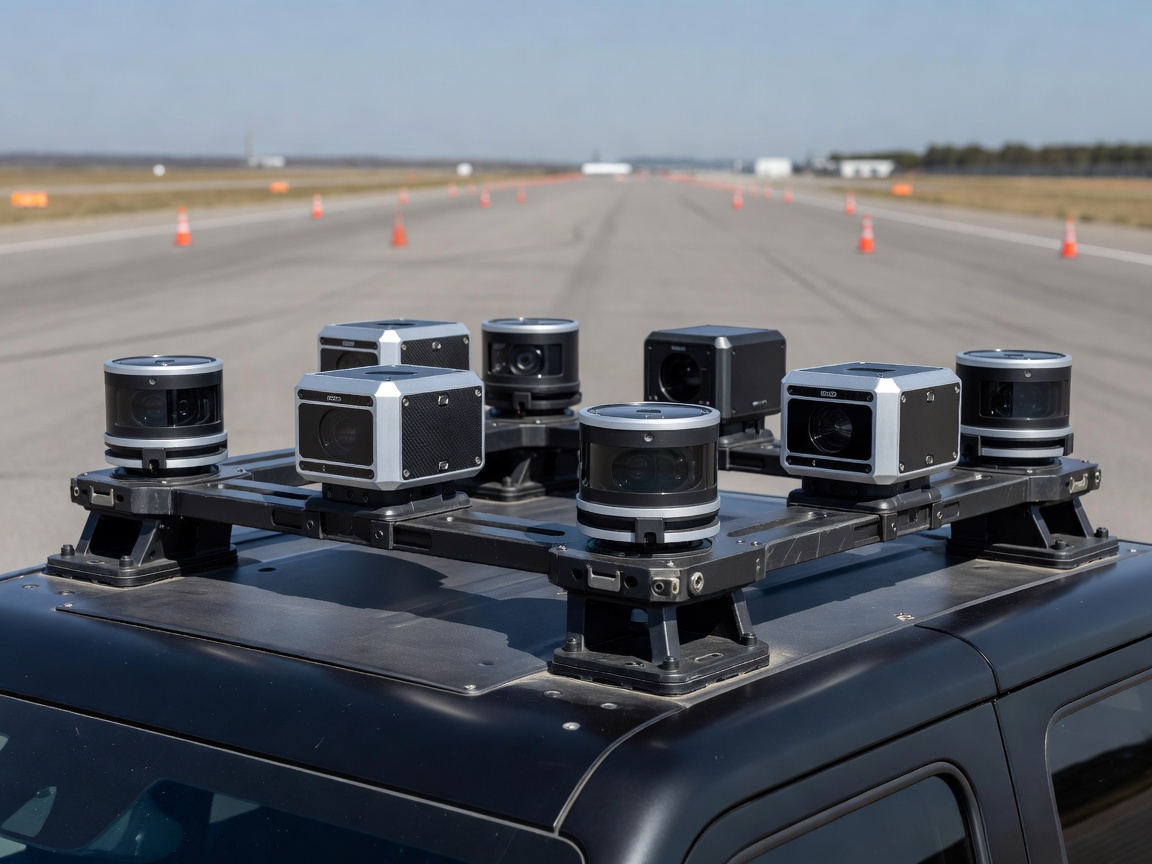
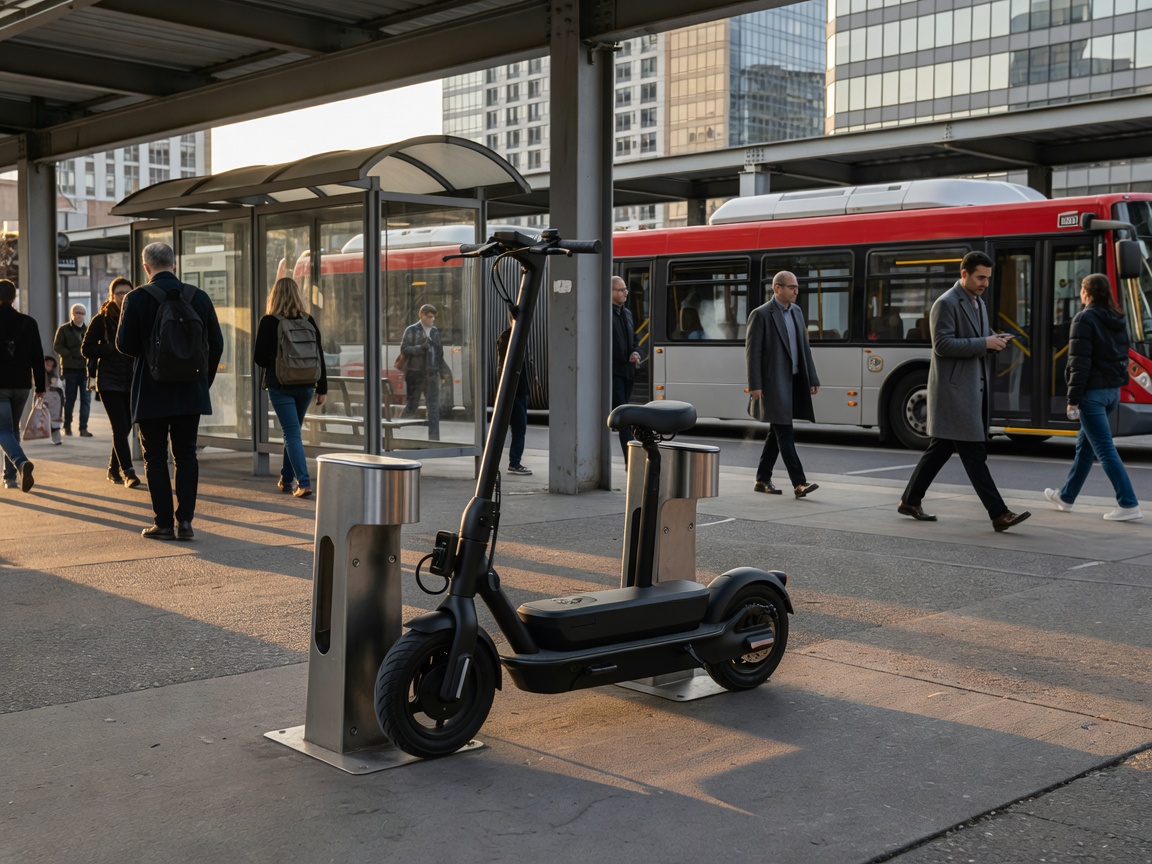
The transition to intelligent transport systems requires an understanding of complex, intersecting technologies. Hardware improvements in battery density must be met with software advancements in fleet routing algorithms and infrastructure upgrades like edge-computing deployment at intersections.
At Mediabreezezippiesfds, we break down these technical barriers, examining standard protocols, regulatory constraints, and the raw specifications of the systems reshaping how humans and goods move through physical space.
Core Analytical Criteria
- Hardware Constraints: Processing power, sensor fidelity, and energy density limitations.
- Regulatory Frameworks: Type approvals, safety mandates, and localized airspace/road restrictions.
- Network Integration: Latency requirements, edge-cloud handoffs, and V2X data formats.